Reserve Bank of India (RBI) Governor Sanjay Malhotra has said that India may need to increase retail fuel prices if the conflict in West Asia continues for a prolonged period.
“If this continues for a longer period of time, it is only a matter of time before the government passes on some of the price increases,” Malhotra said at a conference hosted by the Swiss National Bank and the International Monetary Fund in Switzerland.
Advertisement
He added that excise duties had been reduced, while state-run fuel retailers were absorbing the rise in crude oil prices amid the ongoing conflict.
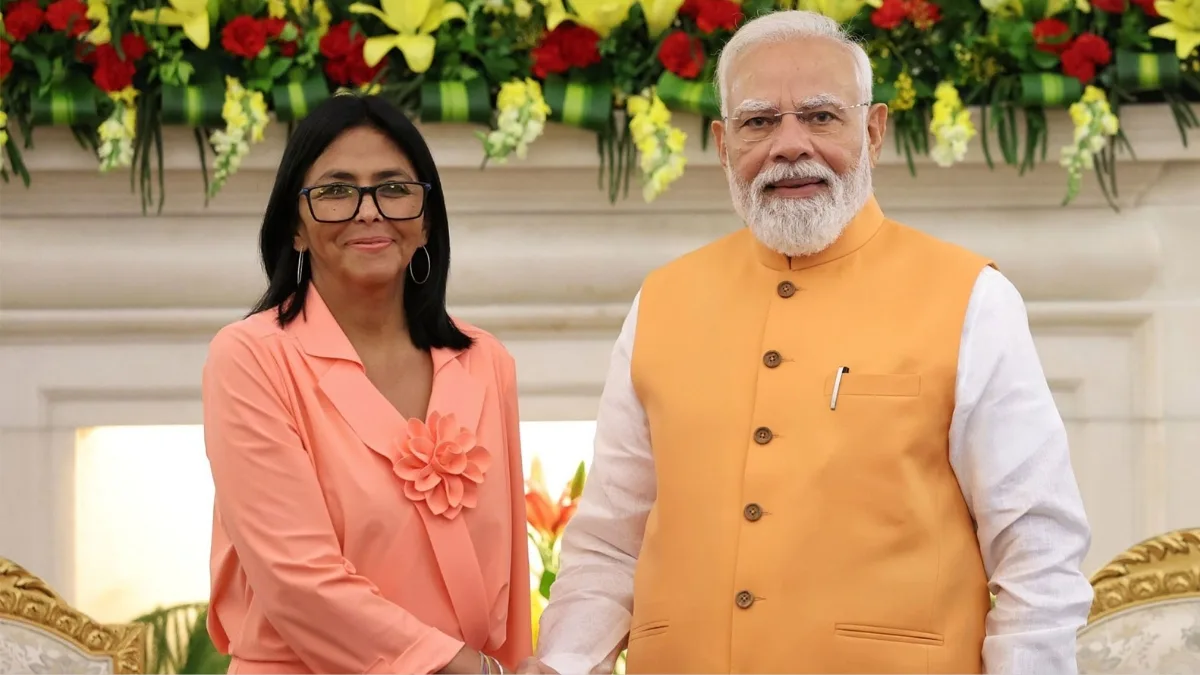
His remarks came after Prime Minister Narendra Modi urged citizens to voluntarily adopt austerity measures, including reducing petrol and diesel consumption and postponing gold purchases.
“We are becoming increasingly data-dependent. We are taking decisions meeting by meeting. The RBI is being flexible in its approach and is ready to look through the shock if it is transitory, but if it becomes entrenched, we will need to take action,” Malhotra said.
Recently, Union Petroleum Minister Hardeep Singh Puri said that India has sufficient reserves of crude oil and LPG in stock.
“We have 60 days of crude reserves, which is the maximum we require. We also have 60 days of LNG and 45 days of LPG,” the minister said while speaking at the CII Annual Business Summit 2026.
Puri stated that oil marketing companies are losing nearly Rs 1,000 crore per day. He added that these firms are facing under-recoveries of around Rs 1.98 lakh crore, while losses for the current quarter stand at nearly Rs 1 lakh crore.
“When this crisis began, there were concerns, but we converted the challenge into an opportunity. We have ramped up our domestic LPG production, which earlier stood at 36,000 metric tonnes per day. It has now increased to 54,000 metric tonnes per day,” he said.